Checking in and marking off another day in paradise…
I’ll try to keep this positive, despite all the trouble in
the world right now.
In catching up with life, the universe, and everything, here are some quick points to make about the last 6 months:
I’m fine, despite the rumors
to the contrary.
Learned some things, and found
some new perspective – more to come.
Lost some “friends”, but got
my sanity and life back, so a good trade overall.
Reunited with some old
friends and we got the band back together- even if it was only for a limited
set.
Ultimately, I found my way
back to the place I need to be despite the chaos of the world and the lousy
company I was keeping. I’m working on my routine so I can be here more often…
Don’t have a clue what I’m talking about?
That’s OK, it wasn’t meant for you – and no worries. It don’t
mean shit Mr. Natural!
Mr. Natural knows more than you. Believe it!
For those of you who do have a clue, consider your next move
carefully. I know a man with a hog farm…
Situation Normal?
Let me be blunt for a minute. The “new normal” sucks. It sucks even worse watching people be dicks to each other.
But I remind myself and you that these people are scared and out of touch with their potential to be decent. We need inspired minds to find ways to bring healing and compassion back to the forefront of everyone’s minds.
What a challenging time to be practicing compassion and tolerance! So many asses needing a good solid kick…
Important to Remember
Still, I am grateful for the blessings in my life, and I am cautiously
working towards a better tomorrow.
Among the blessings in my life is a network of people who continue to show the better side of humanity, for no reason other than it is what they believe is the right thing to do.
The situation is challenging but it is not hopeless, and we are not alone in our efforts. Thank you all for just trying to be decent people – I shudder to think about what it would be like without your efforts.
In keeping things positive, here is a small sampling of the moments that have caused me to pause and appreciate everything and nothing at all in the past year:
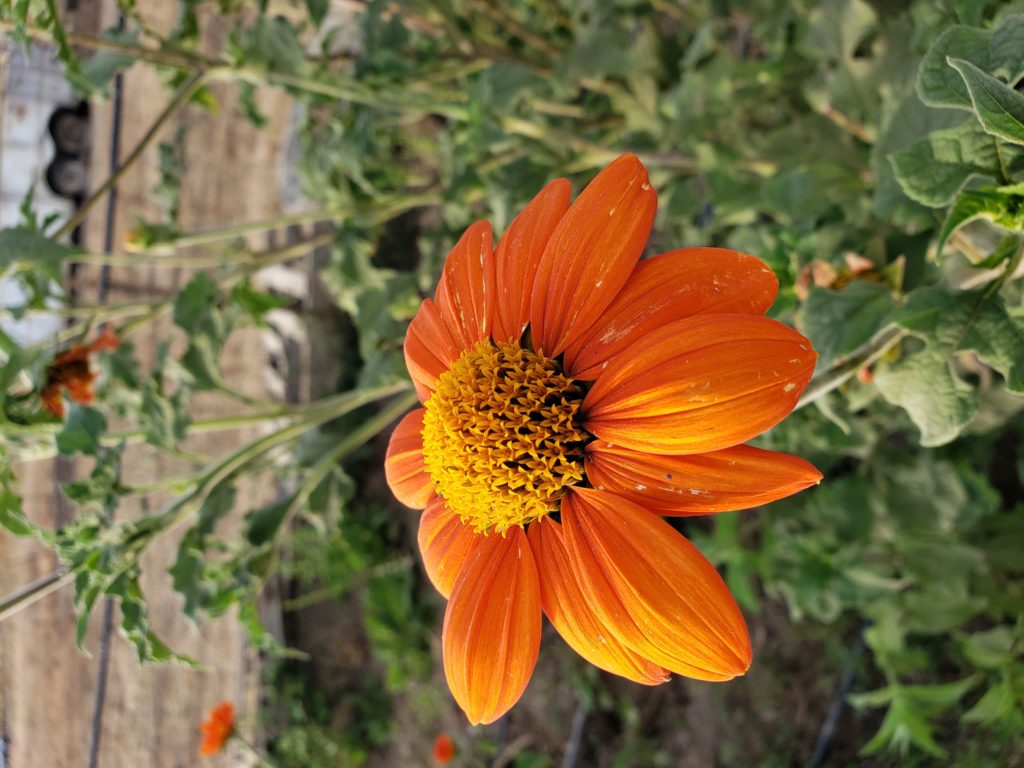
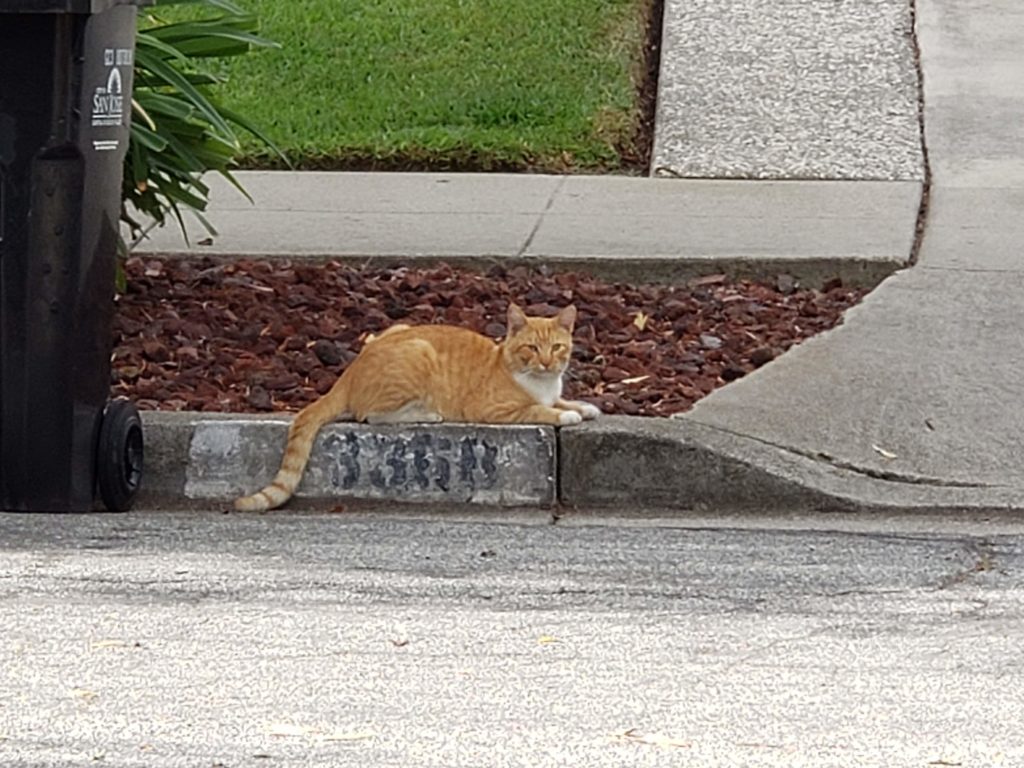
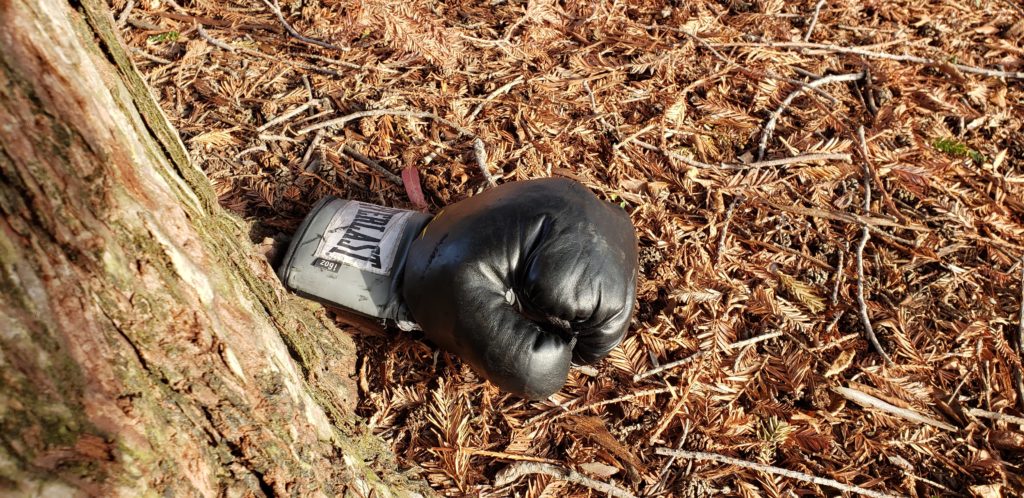
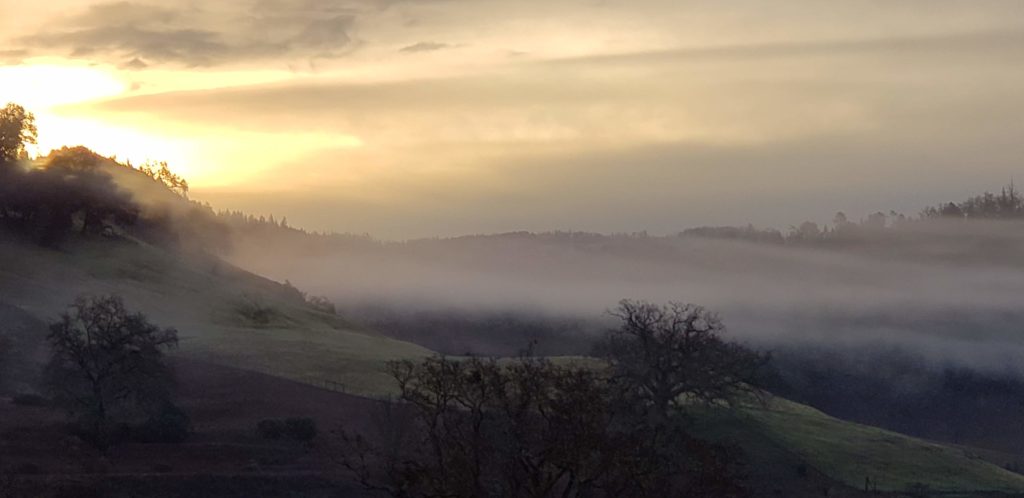
Two miles away…Ben’s flowers from the corner.More of Ben’s flowers.One of Ben’s sunflowers.Sunset over the Pacific from Marin Coast.Sunset over San Jose from Penitencia Creek Trail.The cat who likes to visit in the middle of the night.Ben grows a lot of flowers.I grew different kinds of flowers.A close-up of some of my flowers.These guys are always watching and waiting…Graffiti for nature.Harvest time…Abandoned low-level weapon in my neighborhood.Good ideas.Where the kind grows.Another beautiful day comes to an end…
Category: Tasty Simple Non-Pretentious Down Home Comfort
Food
Cooking time: All day at least, could take three days easy,
depending on how you do things. Best if you let it simmer/sit a day after
cooking(tastes even better the second day).
Side-dish pairing options: cornbread, rice, pork quesadillas,
tortillas, garlic bread, grilled cheese sandwiches, tamales, tacos, carnitas,
shredded extra sharp cheddar and jack cheese, avocado.
Ingredients
One of Ben`s Pigs
You’ll need the following:
One (1) bone-in pork roast from one of Ben’s
grass-fed pasture-roaming happy pigs- but not the spotted ones, because mom
thinks they’re cute…
Two (2) cups of dried pink beans(substitute
pinto beans if you can’t find pink beans) from Olivera’s Egg ranch.
One (1) cup of diced onion from the Saturday
farmers market across from the post office
Two (2) ribs of diced celery from the Bolinas
farm stand
One (1) cup of diced carrots from the backyard
Four (4) Bay leaves from Potter Valley
Three (3) dried Serrano chilies from Potter
Valley
One (1) big fat clove of diced garlic from the Saturday
farmers market across from the post office
One (1) fresh Jalapeno chili from the Saturday
farmers market across from the post office
¼ cup chopped fresh Cilantro from the Bolinas
farm stand
1/3 cup chopped fresh Parsley from the Saturday
farmers market across from the post office
One (1) tsp Cumin
One (1) tsp Oregano
One (1) tsp Paprika
½ tsp Chili Powder (optional)
One (1) tsp Salt
½ tsp Pepper
One (1) lime from the backyard
Instructions
Here’s how I do it, more or less…
Prep
Do the following on the day before(or early morning at
latest):
Begin by seasoning and slow-roasting the pork roast. You can
take all day doing this step by itself. If you don’t know how to do the slow
roast, maybe I’ll tell you how I do it someday, but right now we’re cooking
soup. It’s ok if you eat some of the roast once it’s finished, as you’ll mostly
need the bones plus a little meat for the soup.
Soak the beans so they are soft. Best results are achieved by soaking overnight. If you forget to start the beans the night before, you can clean and rinse the beans and then cover them with twelve (12) cups of water and bring them to a boil. Once they have begun to boil, turn off the heat and cover the pot. Let the beans sit for at least an hour with the lid in place.
Stock
Remove the bones from the pork roast, but leave
some meat on the bones here and there.
Scrape some of the fat from the roast into your
stock pot, and set the heat for medium.
Add the onions, celery, and carrots. Cook until
onions are translucent, and then add garlic. Cook until the onions and garlic
starts to brown.
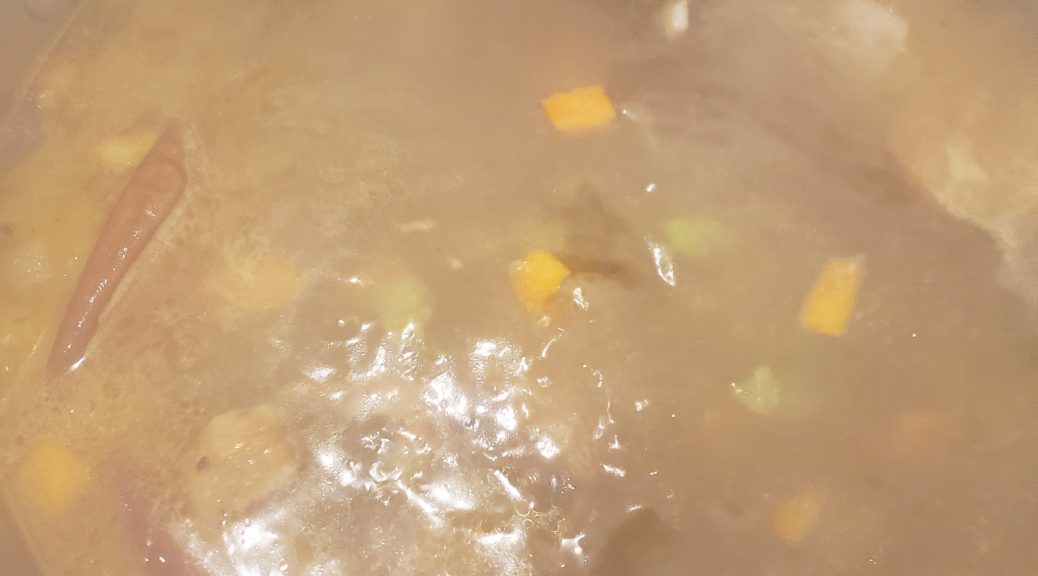
Add Jalapeno and bones. Cover with water and
bring to a boil.
Add dried Serrano chilies and Bay leaves.
Reduce heat to a low boil.
Stir every seven (7) minutes for at least four
(4) to five (5) hours, until all meat has fallen off the bones (add water as necessary
to keep the bones submerged).
When all the meat has fallen off the bone and any pieces of
fat have completely dissolved and melted into the stock, it is finished.
You can take a whole day to do this part and let it sit
overnight, if you want the best bean soup and you have the time, that is.
Finally, remove the bones and bay leaves.
Now you have the stock to make the Mighty Pork and Bean Soup…
Finally: Cooking the Beans!
If not boiling already, bring your stock to a vigorous boil. You should have at least eight (8) cups of stock. Add water if needed to have at least eight (8) cups.
Add your soaked beans and reduce heat to medium-high.
Add some of the pork roast.
Cook beans for two (2) to three (3) hours, or until the beans are desired texture and firmness.
Add dry seasoning to taste and simmer for 20 minutes.
Add chopped fresh cilantro and parsley.
Squeeze lime into soup, and stir well.
Serve in deep bowl with at least one of the recommended side-dishes for pairing.
Looking north and west across San Jose towards Sunnyvale and Mountain View – 11/15/2019
A shifting of light reveals the sights of the valley in muted green, gray, and foggy blue hues. Streetlights still shine in the coming glow of dawn, competing for attention in a sparkling cityscape that quietly glistens with potential and intrigue.
Laid out for my inspection and inspiration, I take note of all the great works and great failings of this crossroads of prosperity and change. I am both humbled and motivated to witness and be a part of it.
I walk on.
My morning routine has changed over time, but this path grows more constant and continues to provide a perspective that increases my awareness and informs my ever-opening mind.
Lessons learned, and lessons still in play, I rise and climb this hill as a metaphor for my life.
Momentarily, I can see the past and the future all laid out in the pre-dawn quiet. I savor the calm before the game is fully in play. The fragile calm before the city has come alive in the bustling chaos of another day.
As I descend into the valley again, I make note of the beauty along the way. I remember to be thankful for all that is. Mindful, I walk in peace and contemplate my world.
My neighbors arise and begin to come out into the morning chill and begin their days.
Children head off to school, lugging their backpacks and musical instruments while others are driven like tiny delicate royalty. They are all greeted the same by teachers and custodians alike.
Still more people emerge and race off on their way to cubicles, offices, factories, and stores- providing the lifeblood for another day in paradise.
Domestic bliss left behind, the masses converge on the jammed and humming highways and city streets- giving proof once again that we are not done with this world. We still have much ass to kick.
Life goes on, once again, in all of its infinite ways. For better or for worse, our momentum has brought us here to another day together.
Last night someone left an encouraging message on the sidewalk, written in chalk. Temporary messages like this somehow seem more meaningful when you find them intact- I share it with you:
Anonymous message in chalk on a sidewalk.
You can shine brighter than a star
Just be who you are
~ Anonymous
Encouraging words written for no one and everyone bring an auspicious welcome to your day. So breathe deep, and face the day happy if you can.
Sitting at the kitchen table, looking out the front windows.
Fire burning approximately 2-3 miles away.
A fire is burning on the hill, and the Breakfast with the Beatles show is playing on the radio (KOZT.com).
PG&E has turned off the power “for our protection”. The generator is roaring away to power the refrigerator, the internet router, the radio and the charging of devices. But even still, without power the well can’t pump water- so less than optimal conditions, but it could be worse.
Life continues, and we hunker down wishing the best for the single helicopter occasionally glimpsed through the smoke, dropping giant buckets of water that seem ridiculously tiny compared to the size of the fire.
This is the the third year in a row that fire has come to Potter Valley- and I am starting to think of the fire as an unwelcome relative that comes uninvited, eats all your food and trashes your place, brings their lowlife friends over, and then breaks all your stuff before demanding to “borrow” money and finally getting drunk and causing the cops and fire department to be called to your house.
ENOUGH! Seriously, I don’t want to even think this is the new normal…
To the south of us the situation is much worse, as the Kincade fire is heading towards Healdsburg and Windsor. A grim reminder of what has been and what might again be our fate- like, in a few hours possibly.
Or, the winds might calm down and they might put it out. You have to hope for the best in these situations, as you pack your emergency supplies and bug-out bag…
Meanwhile, my heart goes out to all the refugees who are now traveling as evacuees and hoping their homes and possessions are not fueling the fire. And for those who have already lost their homes, such devastating tragedy can not be adequately addressed with words. Just know you are not alone, for better or for worse.
If this is like past years, the community will come out and you can count on random acts of kindness to throw contrast into the overall scene of sadness. Be grateful, be generous, recognize it is NEVER enough.
Be kind, don’t give up, watch out for your neighbor and don’t lower your guard – anything can happen.
So let it be, all you need is love- and thank you Beatles.
The gap in time since I last posted anything. So much time, so much life, so much change.
I will get into all of that eventually, I’m sure. Meanwhile, here is the break in the gap- the lapse in the pause.
The aquaponics system is out of commission, it met it’s end this summer, due to some malady that happened while I was away.
Symbolic for so much in my life, the pieces are in various states of dis-assembly and cleaning- awaiting the next moment in time they might be put into use.
A reset, a clearing of the decks, a new beginning to mark the ending of an old way of being- I say goodbye and farewell to those who must go, and welcome to those who are here.
I created an aquaponic system in my backyard partly out of necessity, and partly to test the concept for use at the family farm.
When we decided to move, I had to figure out what to do with the plants and fish from our backyard pond.
The original pond, with a turtle named Dog.
Frankly, I didn’t want to invest the time and effort to recreate the pond as it had been, and I had been reading a lot about aquaponics systems, so I decided to just do it.
How the Aquaponic System Works
The basic concept is to use a medium such as gravel or formed clay pellets to grow plants in, instead of soil. To accomplish this, a nutrient-rich flow of water is applied in a way that allows the plants to get the nutrients they need while also providing oxygen to the roots so the plants are not drowning.
The Linear Flow of the Aquaponic System
My system is based on a gravity-fed cycle where the water starts at the fish tank and flows to a radial filter to remove solids, then to a grow bed, and finally to a sump tank, where the water is then pumped back up to the fish tank.
The goldfish that power my backyard aquaponic system, as seen through four feet of water filtered by the system.
It is not setup in the same linear fashion as the graphic depicts, instead, it wraps around a 90 degree corner. However, the water still flows as depicted above.
The view of my aquaponics system from the top, showing the actual layout around a 90 degree corner.
The grow bed features a bell siphon which causes the water to slowly rise in the grow bed until the water level reaches a certain height that activates the bell siphon.
Bell siphon made of white PVC pipe inside a black protective column.
The bell siphon produces a rapid release of the water from the growbed into the sump tank.
Because the water drains very quickly out of the growbed, it causes oxygen to be drawn down into the plant roots within the grow medium, which allows the plants to breathe and thrive, instead of drowning and dying.
The grow bed also contains a lot of surface area in the form of the gravel that is used. Each piece of gravel provides area for algae and bacteria to grow on, and it is these little organisms that do the work of converting fish waste into nutrients that are easily used by the plants.
The sump tank with pond plants and mosquito fish.
The water that goes into my sump tank also feeds a bunch of pond plants I had, and then the water is finally sent back to the goldfish, filtered and clear.
I also have a colony of mosquito fish that live throughout the system and eat mosquito larvae. These mosquito fish are amazingly effective, and we haven’t had any problem with mosquitoes. Your local county government might even provide them free of charge- it’s worth checking into.
The usually unseen back side of the sump tank, shaded by the growbed above.
Materials Used
I bought some used IBC Totes that had contained food-grade glycerin. It is important to make sure your buy either clean IBC Totes or else ensure they were only used to contain/ship food-grade materials.
There are lots of nasty toxic substances that are also shipped in IBC Totes- be sure you know and trust your source so you don’t poison your system (and yourself).
IBC Totes are about 4 feet wide, high, and deep, and come in 275 gallon sizes as well as 330 gallon sizes. You can usually find used food-grade IBC Totes on Craigslist for between $75-$125 dollars.
The fish tank is a 275 gallon IBC Tote, wrapped in shade cloth to stop excessive algae growth.
I also used this as an excuse to buy a Sawzall reciprocating saw- which makes the chore of cutting the IBC Totes a much easier task. I highly recommend getting one if you can.
For the radial/swirl filter, I followed the instructions from a video I found on YouTube that seemed like a good design (link below). I used a couple of 5 gallon buckets and a 55 gallon plastic drum that had once been used to hold/transport garlic.
The radial-swirl filter forces water to travel up and down around a baffle in the barrel, causing solids to settle at the bottom of the barrel and clean water exits at the top.
To connect everything I used a range of different diameter PVC pipe and fittings, and an energy efficient magnetic impeller pump.
I had to special order some things on the Internet as even in San Jose the local Home Depot doesn’t carry a lot of 2″ pipe fittings to connect to an IBC Tote, but there are plenty of options online that should have what you need, whatever type of IBC Tote you are able to find.
Finally, if you use any silicone sealant, be sure to use the aquarium safe type, and be warned- it takes a full 24 hours to dry and cure before you can put it beneath the water line.
Critical Considerations
When you first put together your aquaponic system you need to be very careful about the water quality, and the nitrate/nitrite cycle.
Because I already had an established pond and was able to capture and move a large amount of the water, I didn’t have to wait for the nitrate/nitrite cycle to get in balance.
There is a lot of information on the Internet about conditioning your water and aquaponic system, and lots of people recommend waiting 14 weeks before adding fish and plants. However, there are lots of other people explain how to get things started much quicker by using water conditioning products to remove chlorine and heavy metals, and amonia to kick-start the nitrite/nitrate cycle. When combined with notoriously hardy goldfish, you might be able to establish the nitrite/nitrate cycle in a few days instead of weeks.
Essentially, before plants can thrive, your aquaponic system has to develop the fundamental layer of an ecosystem comprised of the different algae and bacteria needed to process fish waste and turn it into usable nutrients your plants will love. This happens over time as a layer of slimy algae grows on the surface of your fish tank, and in the gravel/medium used in your growbeds.
If you rush the process and introduce fish and plants before the system is ready, you can kill your fish and plants- and then no peppers for you!
First harvest of habaneros.
However, if you do it right you can find that your aquaponic system will outproduce your soil-based garden. If you choose to go with a fish that you can also harvest, you can enjoy your own fresh organic fish, or maybe even sell it for profit.
The aquaponic system is thriving 6 months later, with more bell peppers, jalapeno peppers, sweet itallian peppers, habanero peppers, and pepercinis than we can deal with.
Hi there! I bring you a brief update on things- more detailed stories to follow…
Summer was great overall, and we had pretty amazing weather. Of course this is expected and recognized as one of the main reasons so many people want to live here. It’s a nice place to be if you don’t mind all the people!
Above: Looking west across San Jose and the valley.
Since June I’ve tracked the flow of tourists, commuters, and highway repair crews while the grass covered hills went from green to gold. I spent way too many hours on the road going back and forth between San Jose and the Farm up in Mendocino County. I’m not complaining, I’m just saying- I saw things. I saw a lot of things, man… But more on that later.
The Farm in Mendocino County
Mom’s garden grew like crazy, we gained two new cats, and we managed to get some solid improvements to the infrastructure around the farm.
Mom and her garden.
Two new cats
Harvest came, and before it was over, so did the fires. After much drama and being evacuated, we were among the lucky ones whose houses and livelihoods didn’t burn to the ground. Many of our friends were not so fortunate. I hope to never experience anything like it again, though I am so thankful to everyone who helped, and so awed by everyone who lost everything and still went out of their way to make my parents more comfortable.
Above: Banner in Santa Rosa thanking the firefighters, police, EMS, PG&E, and military personnel who came to our aid.
Now all eyes are looking forward to rebuilding and improving. For some people this will mean moving on to new and different places, while for others life will bring new opportunities to fill in what has been burned away.
Me, I’m expanding operations and getting ready for the rains to come. I’ve got plans for next year…
Above: Newly tilled soil, awaiting the seeds for organic soil builder.
Now things are settling down again, and I think I can catch my breath. Of course I’ve got stories to share still, and more pictures to process and post. While I work on that, take care of yourself and I will see you next time!
Optimistic and ambitious in the face of chaos and change, we press on. These are the tales of modern day pioneers forging new paths into the future…
From the Valley
Growth is the norm here, and change is never-ending. We’re learning and making changes, stepping up our game. Expanding beyond a singular context, we now have both farming and urban adventures.
Getting trellis and paths installed, and planting more watermelons!
This weekend we got the main crop planted, and expanded the vegetable garden, as well as a bunch of other little projects.
As we continue to make improvements to the infrastructure and expand the scope of operations, the farm is growing more and more, in every sense of the word.
Expanding access into the south pasture.
Seeds have been planted, and now they grow. This year I’m looking forward to lots of chilis and watermellons, and if I’m lucky we might get some plums in a week or two.
Situation: Normal
Life continues, and we’re not only holding steady, we’re improving.
Upper Management supervising the operations.
’twas ever thus.
Meanwhile, now that I’ve finished my chores, I’m back in the city and getting ready to go play some hockey.
But that’s a different story entirely…
More on that later- take care in the meantime, and I will be in touch!
’twas ever thus- and yet it never was quite like this. Another golden Sunday afternoon in paradise.
Yet all is not as it appears, and truth is so often stranger than fiction.
Subtle ripples can reveal hidden currents and rocky bottoms.
Distractions and the interruptions between making plans, that’s what life is made up of.
Sometimes you have to read between the lines.
But most importantly, you should try to have fun.
🙂
So I bring an introductory disclaimer, as a matter of due diligence: I apologize for nothing, if you don’t like something I post, then you’re more than free to take a hike- and keep your opinions to yourself. This place is for my own selfish needs, I post what I want, when I want, for whatever crazy reason that might seize my fancy.
’nuff said.
If you do want to engage on a deeper level, then go ahead and register, so you can leave comments. I’ll think about letting you in…
Meanwhile, I’ll be doing what I do, and I will see you around-